
Introduction
There’s an awful lot of information readily available now about, well, everything, but for music fans with an interest in history, AI slop on the internet is a false front: shallow, myopic and often without context. For generations who weren’t there when rock was young, Wikipedia entries are never going to convey what was going on and why (at least some of) it mattered. The popularity of deep-dive podcasts and the extensive digs in a few surviving periodicals proves the hunger for wanting to know more. Still, there is no substitute for proximate reporting and first-hand testimony by the artist themselves at a time when they were less guarded, less set in their stories. Rock (and its practitioners and fans) was still relatively young in the 1970s. There were no museums, no Hall of Fame, no documentaries and precious few books on the subject. A half-century later, that situation has been turned on its pointy head: there’s so much to read, see and learn about.
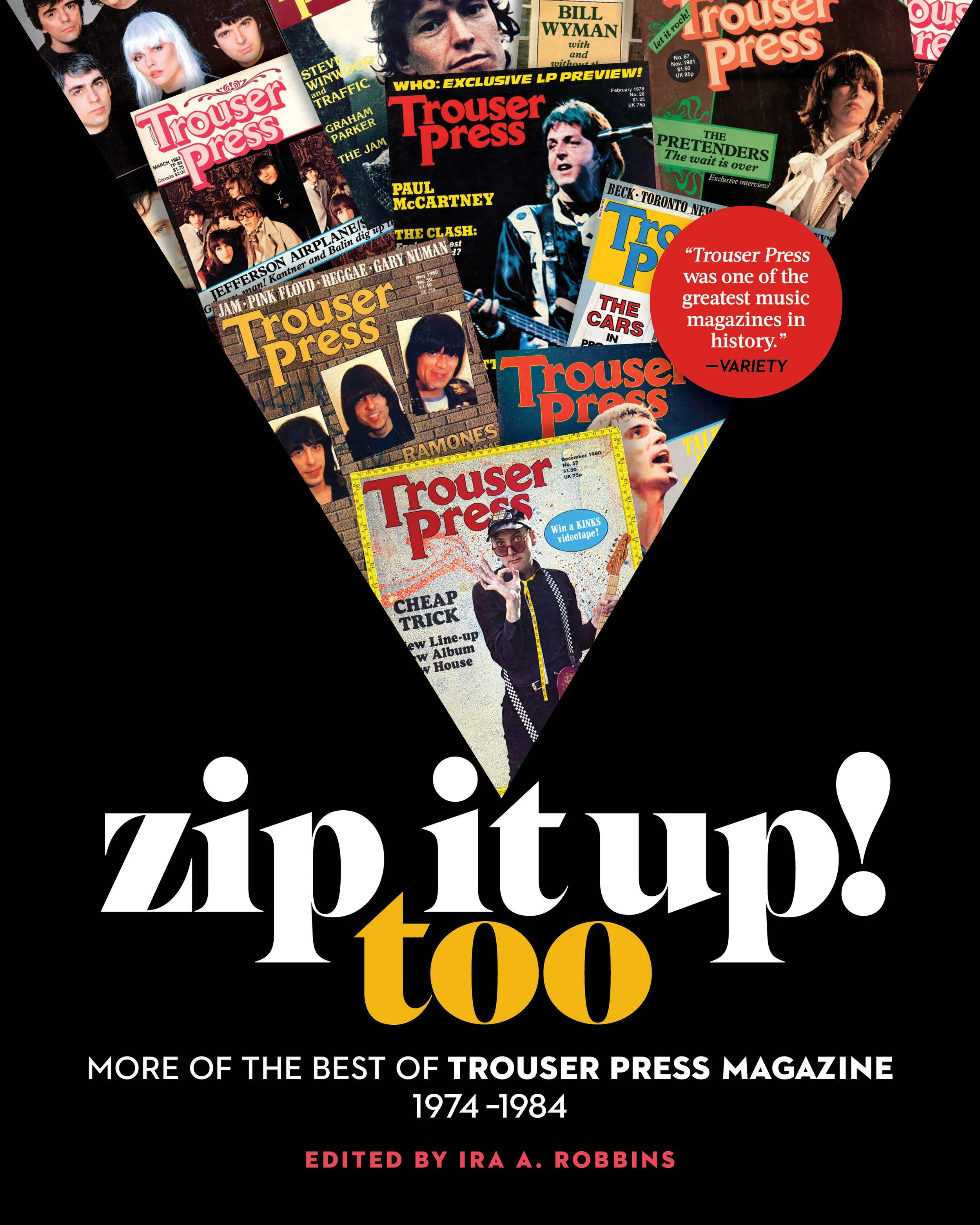
At the time Karen Rose, Dave Schulps, Barbara Wolf and I mimeographed and stapled the first issue of Trouser Press in early 1974, we were reliant for information and inspiration on two British weekly papers, Melody Maker and New Musical Express (via sea mail), American magazines like Phonograph Record and Crawdaddy!, collectors' fanzines like The Rock Marketplace and Bomp!, cutout record bins around New York and not much else. We spoke to artists whenever we could and asked them about releases, lineups, history and whatever else we could get to fill in the gaps in our knowledge. We were curious about and fascinated by their histories and their catalogues and felt it our mission to collect and share what we could with others. That focus tapered off as we embraced more contemporary concerns, but it’s never really gone away for me.
Our world was not what Cameron Crowe depicted in Almost Famous; we didn't tour with bands, share their drugs or shag their groupies. We rarely got offered the free trips that brought our British writer pals to town a couple of times a year. Most of the time, we sat in our small Times Square office, answered the phone, wrote and opened mail and typed on IBM Selectrics. We interviewed bands in record company conference rooms and hotel rooms. We went to concerts and press parties, but debauchery was not on the agenda; work was. Putting out a monthly magazine with a small staff took time and effort; keeping it afloat always took precedence over the perks others may have enjoyed.
Trouser Press existed for ten years, from 1974 to 1984, and the focus of our coverage followed, to a degree, the evolution of rock music over that span. Other than glam, there wasn’t much we loved in the early ’70s, so we focused on musicians who first made their mark in the ’60s. We covered the early stages of progressive rock because it was out of the mainstream and mostly foreign-based; that appealed to our sense of mission to write about music otherwise being overlooked. We were excited about the grit and spirit of pub rock and absolutely thrilled by the concurrent explosion of punk and American indie music in 1976–77. In the early ’80s, while embracing post-punk and its myriad offshoots, we dabbled in other genres — hardcore, reggae, arena rock, classic rock — while tentatively appreciating the colorful young chart bands popularized by MTV.
Our approach to the artists we interviewed was sometimes, in retrospect, surprisingly confrontational, or at least challenging in ways rarely seen in music journalism nowadays. We took many of our cues from the British weeklies, which led us to believe that being sarcastic and cynical was the requisite alternative to being giddily fannish (which we could certainly be as well). Our commitment to snark extended to the liberal distribution of editor's remarks in the middle of articles, taking our own writers and subjects to task in a dialectic not every writer appreciated.
The response to Zip It Up! (2024) has exceeded our expectations, so it made sense to go back to the well. In assembling Zip It Up!, we made the decision to omit the eighteen “Autodiscographies” published in Trouser Press. They became the impetus for this second book: narrations of careers by the artists, album by album. The subjects: Blondie, Buzzcocks (Pete Shelley), John Cale, Damned, Dave Edmunds, Genesis, Roy Harper, Ian Hunter, Jefferson Airplane/Starship, Jethro Tull (Ian Anderson), Steve Marriott, Bill Nelson, Iggy Pop, Ramones, Sparks, Stranglers and Steve Winwood. We were particularly proud of our little innovation, so it made sense to keep them all together, and they form the second half of this volume, augmented by two interviews that weren’t originally published in the magazine but follow the same format.
This volume serves to flesh out a more complete picture of the magazine’s decade. To do that, we cast a wider net than the first book, contacting more of the folks who contributed to the magazine to get their permission to anthologize long-ago writing. We reached out to Lester Bangs’s literary executor, who arranged for us to include his piece on the Ramones, which was not included in either of the books devoted to his writing. We also got to include three pieces from Trouser Press Collectors’ Magazine, our spinoff publication, and a few more examples of the great writing that filled our monthly columns.
Ira Robbins
© 2026 Ira Robbins. All rights reserved.